Dead Tree Removal in Allentown, PA
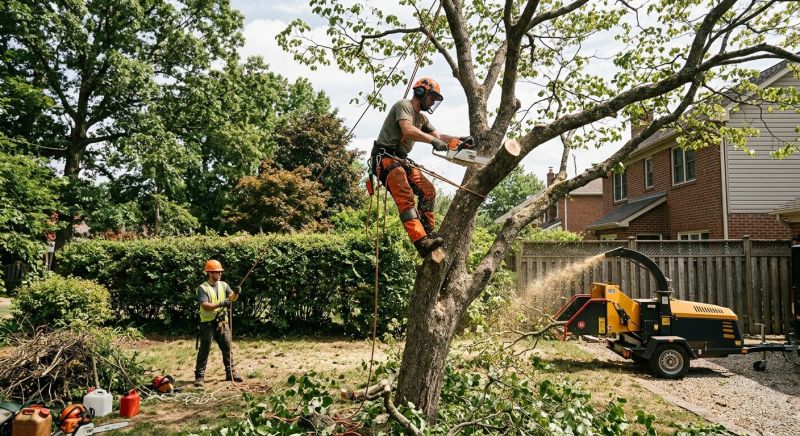
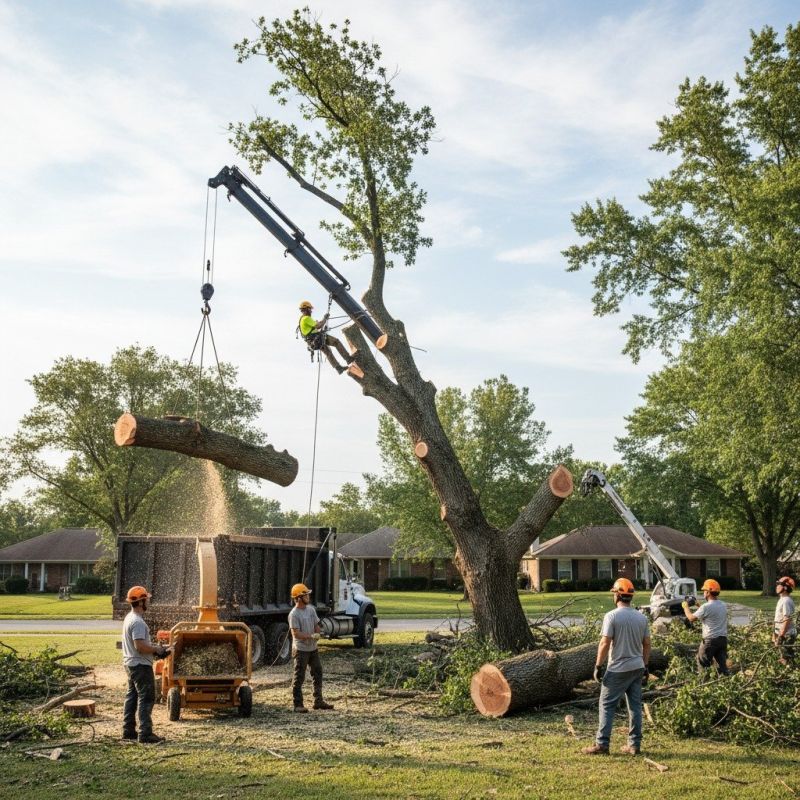
Dead tree removal services involve safely and efficiently removing trees that have become dead, decayed, or pose a risk to the property. This process typically includes assessing the tree’s condition, planning the safest method of removal, and using specialized equipment to carefully cut and remove the tree and its debris. Projects often encompass removing trees that are unhealthy, hazardous, or obstructing structures, as well as clearing fallen or storm-damaged trees to prevent further damage or safety hazards.
Property owners considering dead tree removal should understand the importance of proper assessment before proceeding, as well as the potential need for permits or permissions in certain areas. It’s also helpful to know the extent of the removal work, such as whether stump grinding or cleanup services are included, and to consider the impact on surrounding landscaping. Clear communication about the scope of work can help ensure the project meets safety standards and property goals.
Many property owners in Allentown, PA look into Dead Tree Removal for repairs, replacements, upgrades, and appearance-related improvements.
Safety And Property Protection
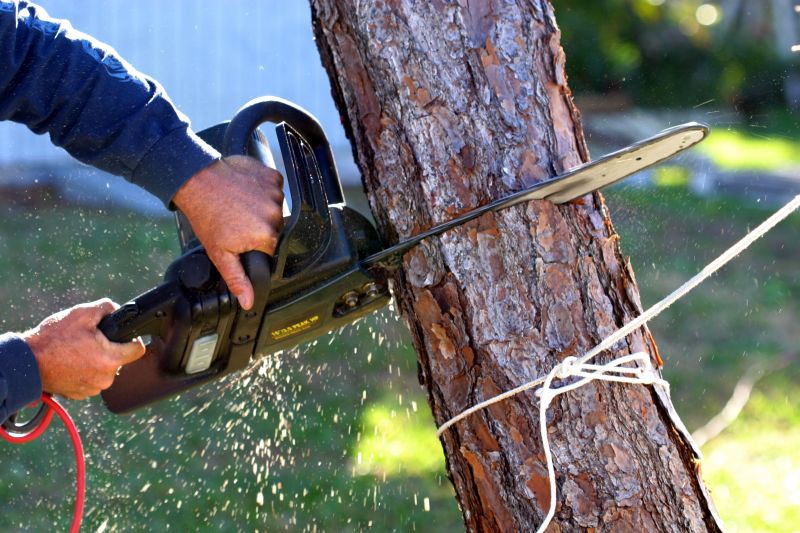
Removing dead trees helps prevent potential damage to homes and landscapes in allentown neighborhoods.
Aesthetic Improvement
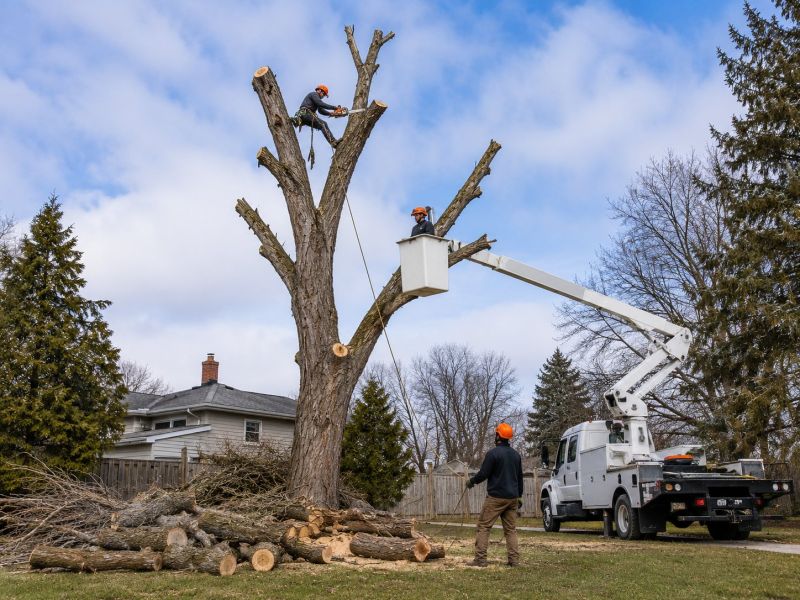
Eliminating unsightly dead trees enhances the overall appearance of residential and commercial properties.
Preventing Pest Infestations
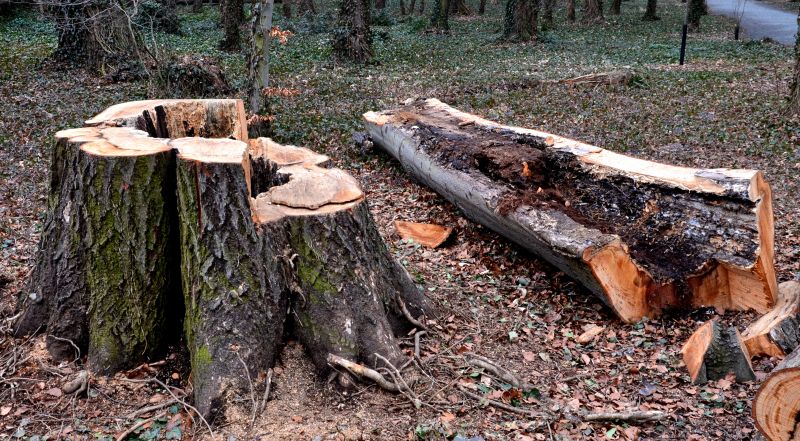
Removing decaying trees reduces habitats for pests that can threaten healthy trees and structures.
Dead Tree Removal in Allentown, PA
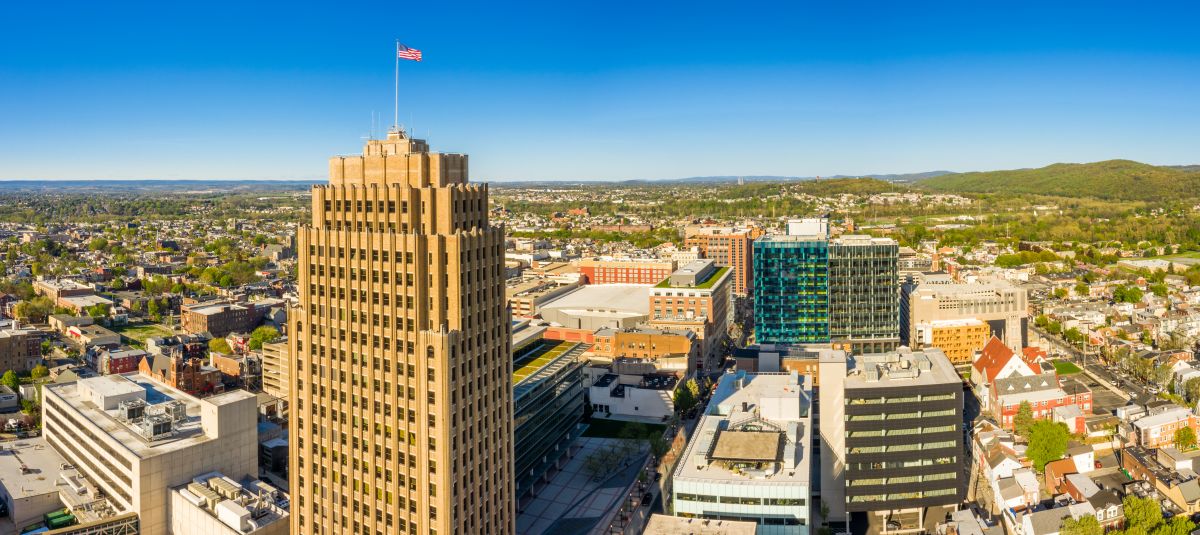
Dead tree removal services involve safely and efficiently removing trees that have become dead, decayed, or pose a risk to the property. This process typically includes assessing the tree’s condition, planning the safest method of removal, and using specialized equipment to carefully cut and remove the tree and its debris. Projects often encompass removing trees that are unhealthy, hazardous, or obstructing structures, as well as clearing fallen or storm-damaged trees to prevent further damage or safety hazards.
Property owners considering dead tree removal should understand the importance of proper assessment before proceeding, as well as the potential need for permits or permissions in certain areas. It’s also helpful to know the extent of the removal work, such as whether stump grinding or cleanup services are included, and to consider the impact on surrounding landscaping. Clear communication about the scope of work can help ensure the project meets safety standards and property goals.
Many property owners in Allentown, PA look into Dead Tree Removal for repairs, replacements, upgrades, and appearance-related improvements.
Common Dead Tree Removal Jobs
Dead Tree Removal - safely removes hazardous or decayed trees from residential properties.
Stump Grinding - eliminates remaining stumps to prevent tripping hazards and improve landscape appearance.
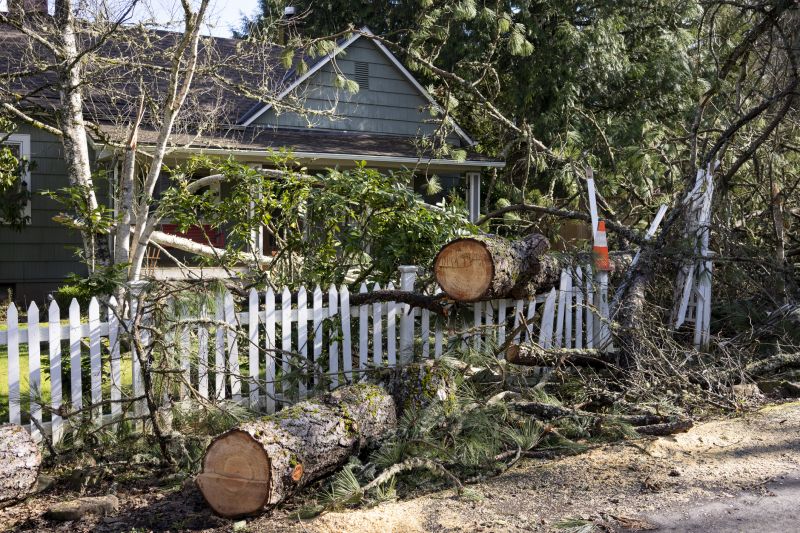
Emergency Tree Removal - handles urgent situations caused by storm damage or fallen branches.
Selective Tree Removal - removes specific dead or diseased trees to promote healthy landscape growth.
Property Clearing - clears dead trees to prepare land for new construction or landscaping projects.
Tree Limb Removal - removes dead or broken branches to reduce risk of property damage.
Dead Tree Removal Questions
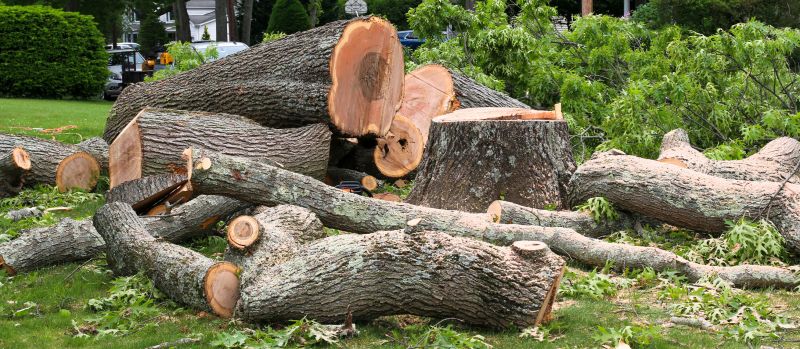
Why should dead trees be removed? Dead trees can pose safety risks, attract pests, and cause damage to nearby structures or healthy trees.
What signs indicate a tree may be dead? Lack of leaves, brittle branches, and trunk decay are common indicators of a dead tree.
Is dead tree removal necessary near homes? Yes, removing dead trees close to properties reduces the risk of falling and property damage.
How does dead tree removal benefit a landscape? Removing dead trees improves the appearance and health of the landscape, promoting growth of healthy plants.
Request Dead Tree Removal in Allentown, PA
Use the quote form on this page to share the basics of your project and request more information for the type of work you need.