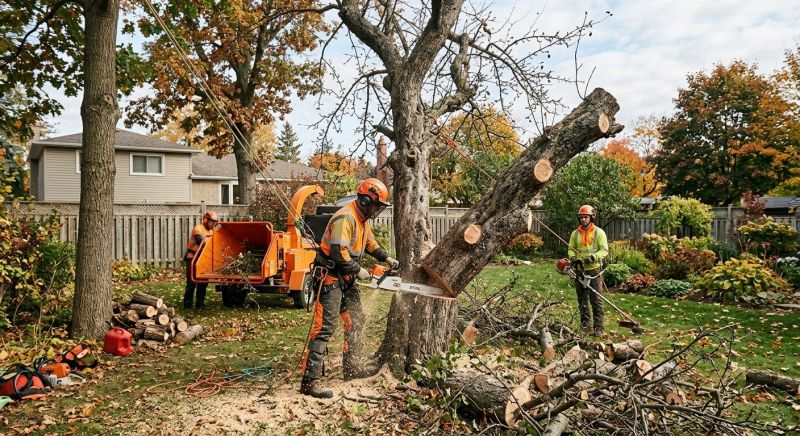
Apple Tree Removal in Doylestown, PA
Apple tree removal services involve the safe and efficient removal of apple trees that are dead, diseased, damaged, or no longer desired on a property. This process typically includes assessing the tree’s condition, preparing the surrounding area, and carefully cutting and removing the tree to prevent damage to nearby structures or landscaping. Projects can range from removing a single problematic tree to clearing entire orchards or overgrown areas, ensuring the property remains safe and visually appealing.
Homeowners considering apple tree removal should understand the importance of proper planning and execution to avoid potential hazards such as falling branches or root issues. It’s helpful to know the size and location of the tree, as well as any nearby structures or utilities, to determine the best approach. Clarifying expectations about cleanup and disposal of the tree material can also ensure the project aligns with property maintenance goals.
Many property owners in Doylestown, PA look into Apple Tree Removal for repairs, replacements, upgrades, and appearance-related improvements.
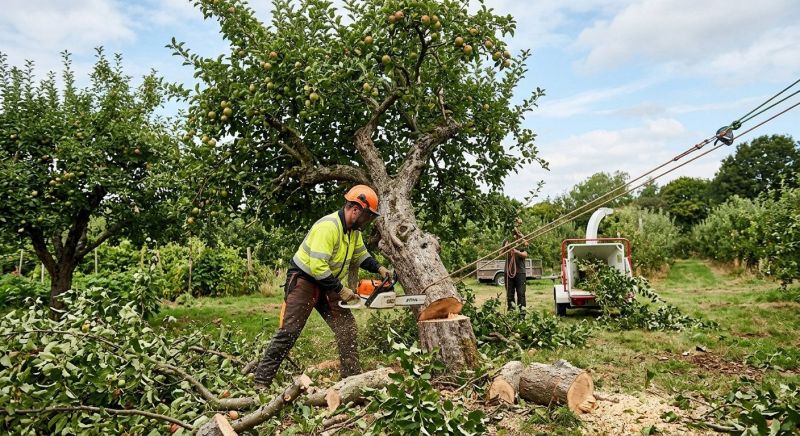
Reasons For Tree Removal
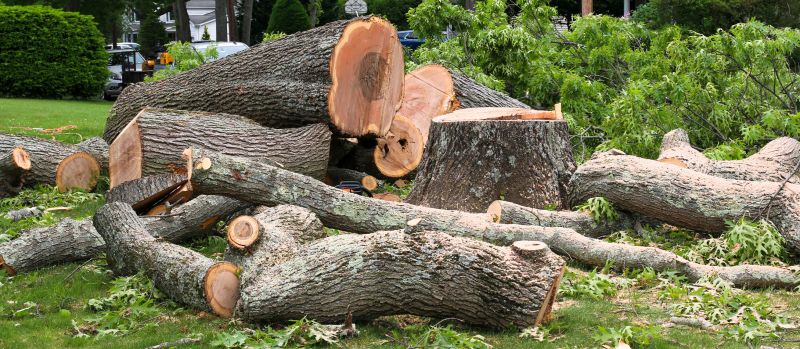
Trees may need removal due to disease, damage, or safety concerns on residential properties.
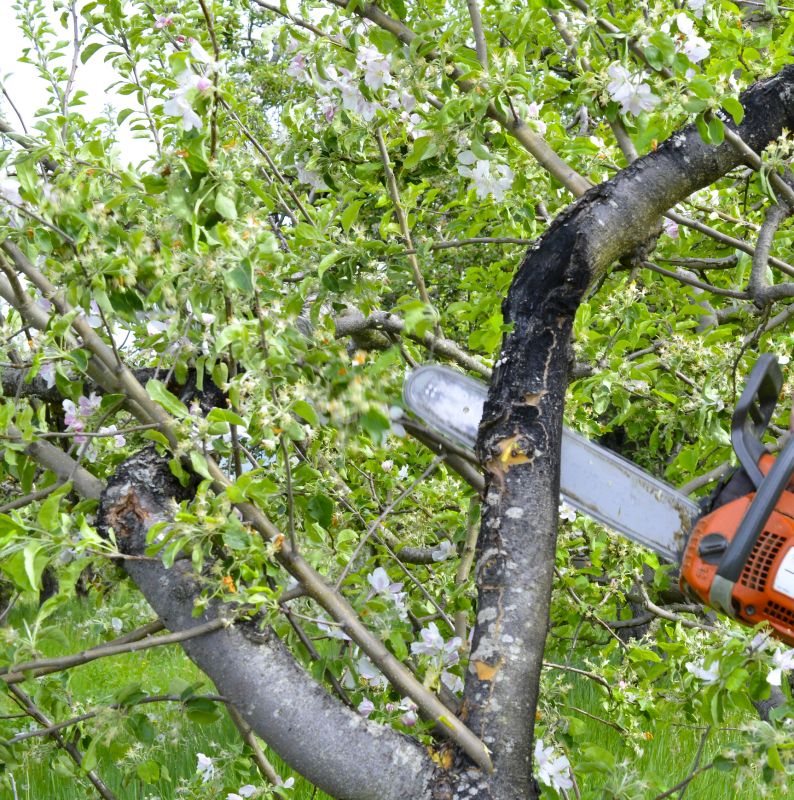
Tree Removal Process
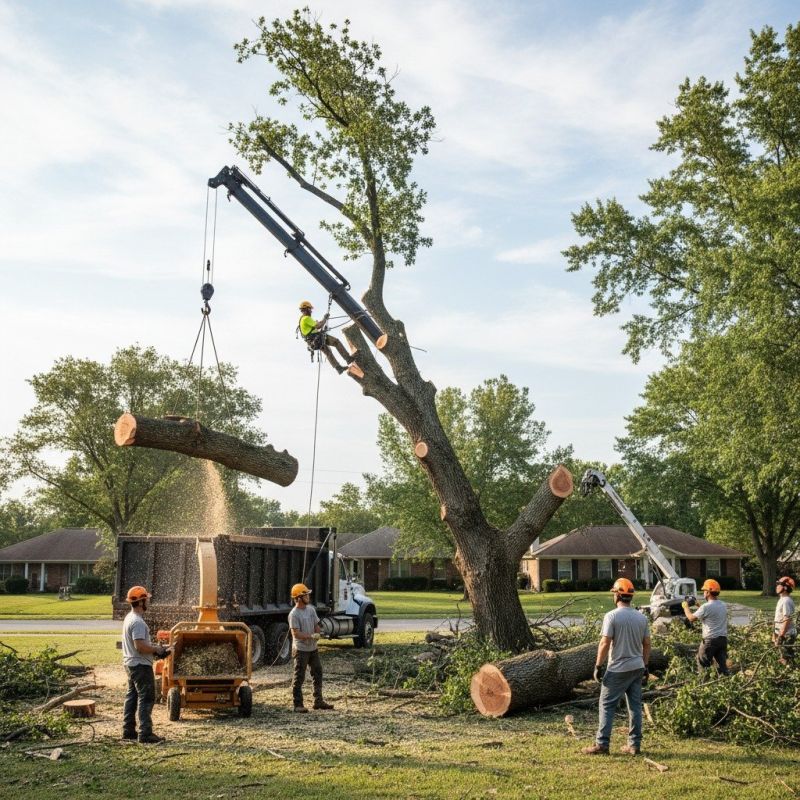
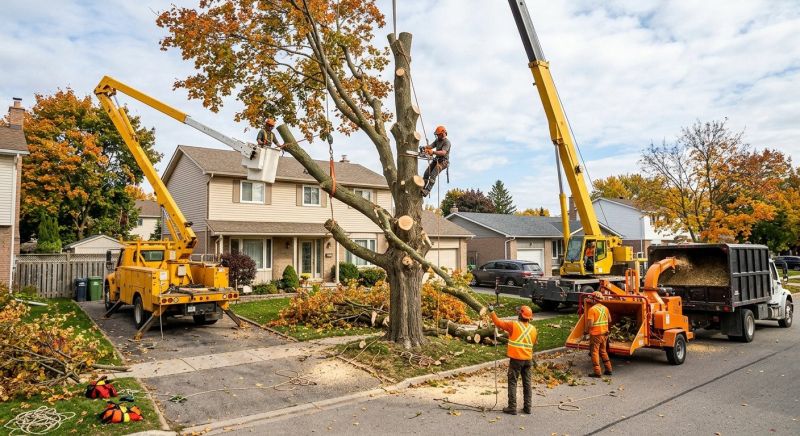
The process involves careful cutting and removal to ensure safety and minimize impact on the surrounding landscape.
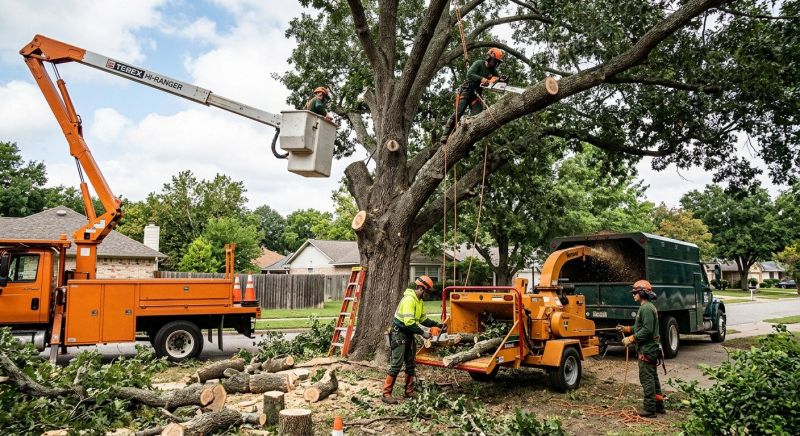
Post-Removal Cleanup
After removal, property owners can expect debris clearing and stump grinding to restore the landscape.
Apple Tree Removal in Doylestown, PA

Apple tree removal services involve the safe and efficient removal of apple trees that are dead, diseased, damaged, or no longer desired on a property. This process typically includes assessing the tree’s condition, preparing the surrounding area, and carefully cutting and removing the tree to prevent damage to nearby structures or landscaping. Projects can range from removing a single problematic tree to clearing entire orchards or overgrown areas, ensuring the property remains safe and visually appealing.
Homeowners considering apple tree removal should understand the importance of proper planning and execution to avoid potential hazards such as falling branches or root issues. It’s helpful to know the size and location of the tree, as well as any nearby structures or utilities, to determine the best approach. Clarifying expectations about cleanup and disposal of the tree material can also ensure the project aligns with property maintenance goals.
Many property owners in Doylestown, PA look into Apple Tree Removal for repairs, replacements, upgrades, and appearance-related improvements.
Common Apple Tree Removal Jobs
Apple Tree Removal - safely removes damaged or overgrown apple trees to protect property and landscape.
Stump Removal - eliminates leftover tree stumps to prevent regrowth and improve yard appearance.
Emergency Tree Removal - handles urgent situations where fallen or hazardous apple trees threaten safety.
Selective Tree Removal - removes specific apple trees without disturbing surrounding landscape or trees.
Tree Clearing - clears entire orchard areas or large sections of apple trees for development or landscaping.
Pruning and Thinning - reduces tree size and improves health, making future removal easier if needed.
Apple Tree Removal Questions
Why remove an apple tree? Removal may be needed if the tree is damaged, diseased, or poses a safety risk to the property.
How is an apple tree removed? The process involves cutting the tree down and safely hauling away the debris, ensuring the area is cleared.
When is the best time to remove an apple tree? Dormant seasons, such as late winter or early spring, are ideal for tree removal to minimize impact on the landscape.
Will removing an apple tree affect nearby plants? Proper removal techniques help prevent damage to surrounding vegetation and maintain landscape health.
Request Apple Tree Removal in Doylestown, PA
Use the quote form on this page to share the basics of your project and request more information for the type of work you need.