Bamboo Trimming in Honolulu, HI
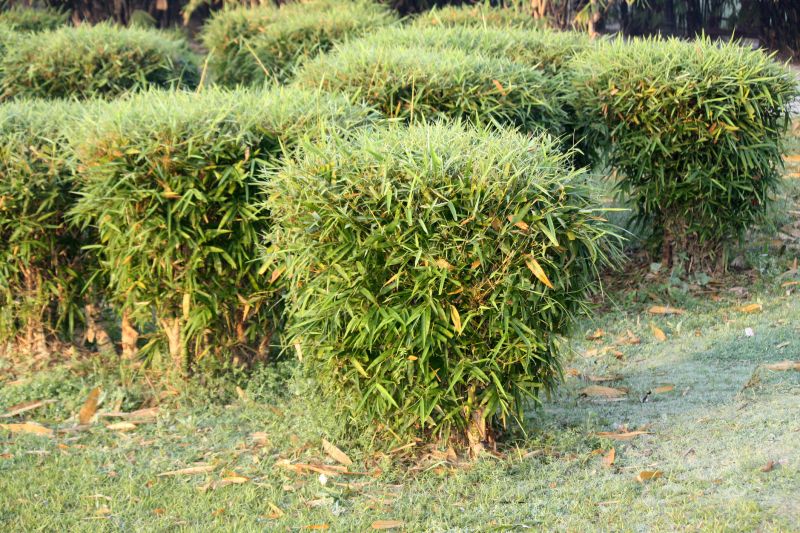
Bamboo trimming services involve carefully cutting back overgrown or unruly bamboo plants to maintain a healthy, attractive appearance and prevent them from spreading beyond designated areas. This service covers various projects, including thinning dense bamboo clusters, shaping plants for aesthetic purposes, and removing dead or damaged canes to promote new growth. Homeowners typically request bamboo trimming to keep their landscapes tidy, control the spread of bamboo, and ensure the plants do not interfere with structures, pathways, or neighboring properties.
Before requesting bamboo trimming, property owners should consider the extent of their bamboo growth and the desired outcome for their landscape. It’s helpful to understand the size and density of the bamboo, as well as any specific areas where trimming is needed most. Clarifying whether the goal is to reduce height, improve appearance, or contain the bamboo can help ensure the work aligns with expectations. Proper trimming can enhance the health of the plants and contribute to a well-maintained outdoor space.
Many property owners in Honolulu, HI look into Bamboo Trimming for repairs, replacements, upgrades, and appearance-related improvements.
Bamboo Trimming For Property Maintenance
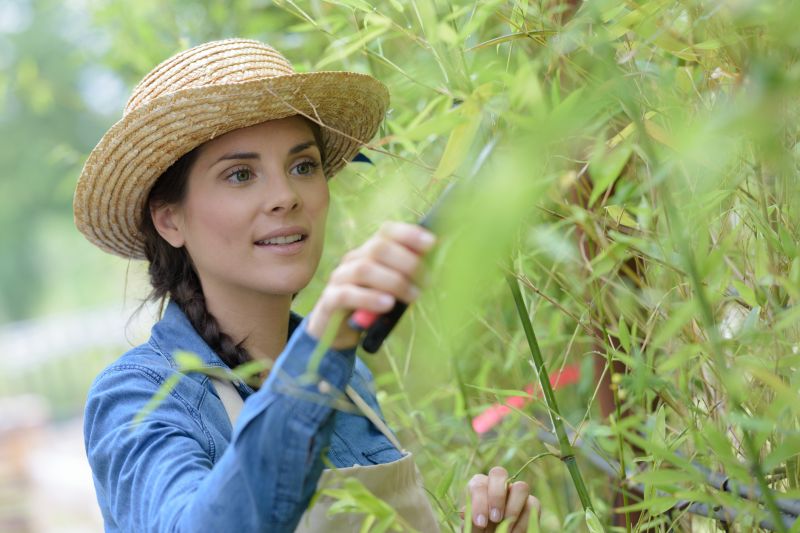
Regular bamboo trimming helps keep your landscape neat and prevents overgrowth.
Health And Safety For Bamboo Plants
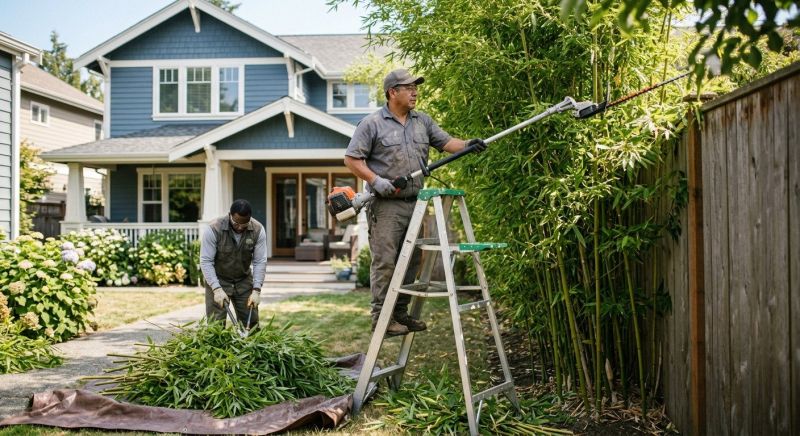
Proper trimming reduces the risk of pests and disease while promoting healthy growth.
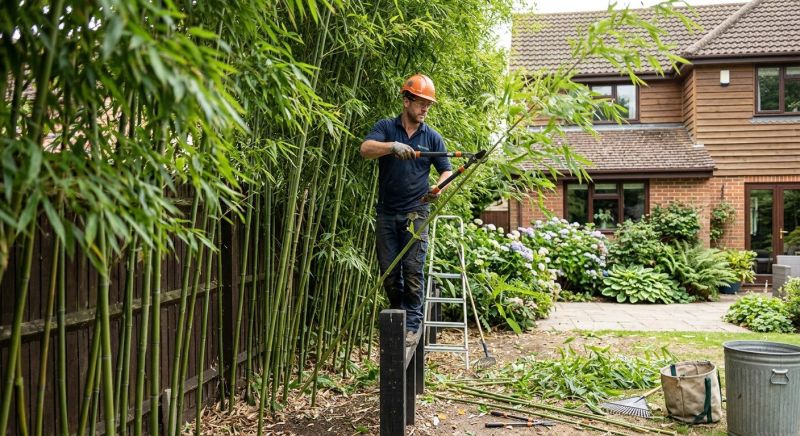
Enhancing Curb Appeal With Bamboo Care
Maintaining well-trimmed bamboo adds beauty and value to residential and commercial properties in honolulu.
Bamboo Trimming in Honolulu, HI

Bamboo trimming services involve carefully cutting back overgrown or unruly bamboo plants to maintain a healthy, attractive appearance and prevent them from spreading beyond designated areas. This service covers various projects, including thinning dense bamboo clusters, shaping plants for aesthetic purposes, and removing dead or damaged canes to promote new growth. Homeowners typically request bamboo trimming to keep their landscapes tidy, control the spread of bamboo, and ensure the plants do not interfere with structures, pathways, or neighboring properties.
Before requesting bamboo trimming, property owners should consider the extent of their bamboo growth and the desired outcome for their landscape. It’s helpful to understand the size and density of the bamboo, as well as any specific areas where trimming is needed most. Clarifying whether the goal is to reduce height, improve appearance, or contain the bamboo can help ensure the work aligns with expectations. Proper trimming can enhance the health of the plants and contribute to a well-maintained outdoor space.
Many property owners in Honolulu, HI look into Bamboo Trimming for repairs, replacements, upgrades, and appearance-related improvements.
Common Bamboo Trimming Jobs
Bamboo Trimming Services - Precise trimming to maintain healthy bamboo growth and shape.
Bamboo Thinning - Reducing overgrown bamboo to improve airflow and prevent crowding.
Bamboo Removal - Complete removal of unwanted or invasive bamboo plants.
Bamboo Pruning - Cutting back dead or damaged canes to promote new growth.
Bamboo Maintenance - Regular trimming to keep bamboo looking tidy and controlled.
Bamboo Shaping - Sculpting bamboo for aesthetic purposes and landscape design.
Bamboo Trimming Questions
Why is bamboo trimming important? Regular trimming helps maintain bamboo health, controls size, and prevents unwanted spreading on the property.
When should bamboo be trimmed? Bamboo should be trimmed when it shows signs of overgrowth, damaged canes, or to shape the plant for aesthetic purposes.
What tools are used for bamboo trimming? Sharp pruning shears, loppers, and saws are commonly used to carefully trim and remove bamboo canes.
Does bamboo trimming affect plant growth? Proper trimming encourages healthy growth and can improve the overall appearance of bamboo on the property.
Request Bamboo Trimming in Honolulu, HI
Use the quote form on this page to share the basics of your project and request more information for the type of work you need.