Dead Tree Removal in San Jose, CA
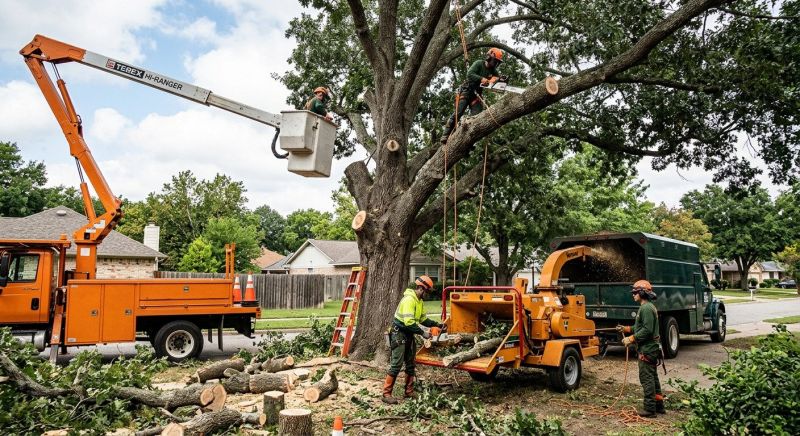
Dead tree removal services involve the safe and efficient removal of trees that are dead, dying, or pose a risk to the property. This type of project typically includes assessing the condition of the tree, planning the safest approach for removal, and executing the work to prevent damage to surrounding landscaping or structures. Homeowners often request this service when a dead or decaying tree threatens to fall, obstructs views, or detracts from the property's appearance, ensuring safety and maintaining aesthetic appeal.
Before requesting dead tree removal, property owners should consider the location of the tree, nearby structures, and any potential hazards. It is also helpful to understand the extent of the tree's decay and whether any permits are required for removal, especially for larger or protected species. Proper planning and evaluation can ensure the removal process is performed safely and efficiently, minimizing disruption to the property.
Many property owners in San Jose, CA look into Dead Tree Removal for repairs, replacements, upgrades, and appearance-related improvements.
Reasons For Dead Tree Removal
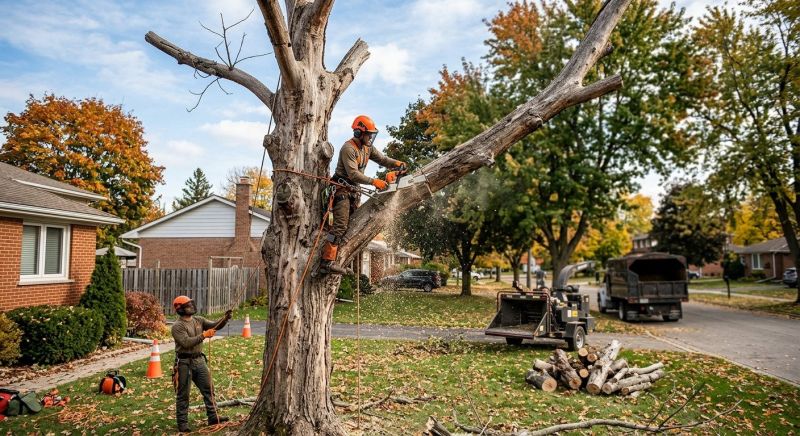
Removing dead trees helps prevent property damage and enhances safety on residential and commercial properties.
Signs A Tree Needs Removal
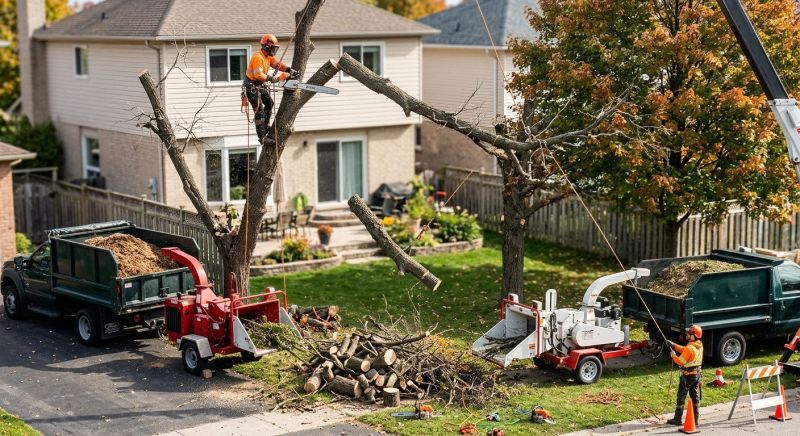
Visible decay, leaning or cracked branches are common indicators that a dead or dying tree may require removal.
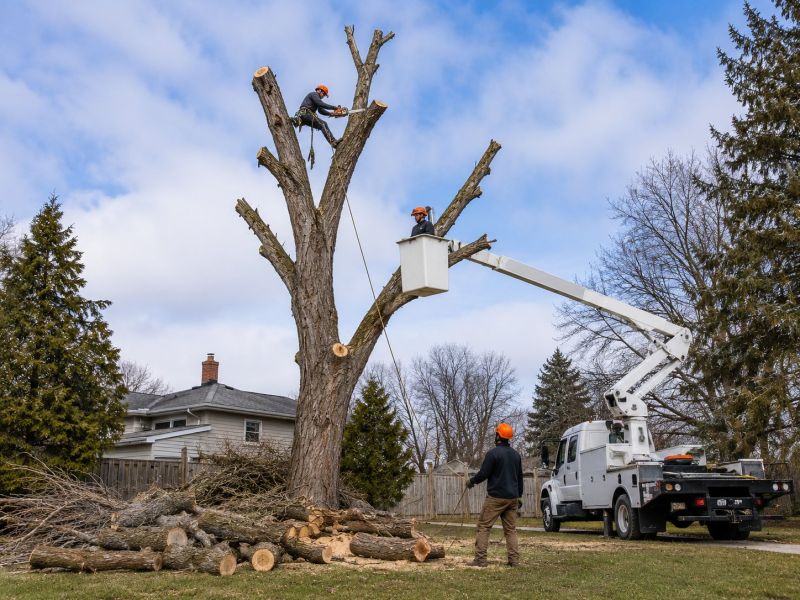
Benefits Of Professional Removal
Expert services ensure safe, efficient removal that minimizes disruption and protects surrounding landscape in san jose, ca.
Dead Tree Removal in San Jose, CA
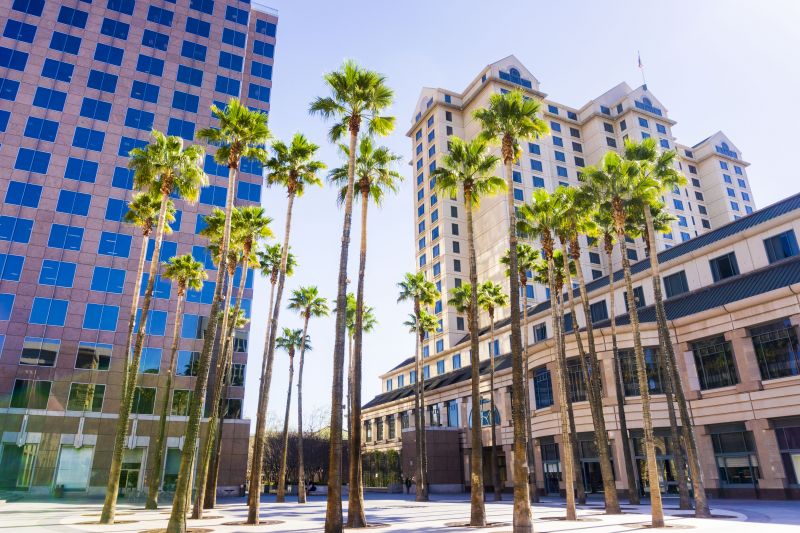
Dead tree removal services involve the safe and efficient removal of trees that are dead, dying, or pose a risk to the property. This type of project typically includes assessing the condition of the tree, planning the safest approach for removal, and executing the work to prevent damage to surrounding landscaping or structures. Homeowners often request this service when a dead or decaying tree threatens to fall, obstructs views, or detracts from the property's appearance, ensuring safety and maintaining aesthetic appeal.
Before requesting dead tree removal, property owners should consider the location of the tree, nearby structures, and any potential hazards. It is also helpful to understand the extent of the tree's decay and whether any permits are required for removal, especially for larger or protected species. Proper planning and evaluation can ensure the removal process is performed safely and efficiently, minimizing disruption to the property.
Many property owners in San Jose, CA look into Dead Tree Removal for repairs, replacements, upgrades, and appearance-related improvements.
Common Dead Tree Removal Jobs
Dead Tree Removal - safely eliminates hazardous or decayed trees from residential properties.
Tree Stump Removal - clears remaining stumps to prevent pest infestations and improve yard appearance.
Emergency Tree Removal - quickly addresses storm-damaged or fallen trees to reduce property damage risks.
Selective Tree Removal - removes specific dead or problematic trees while preserving healthy landscape elements.
Tree Crown Reduction - reduces the height or spread of dead or overgrown branches for safety and aesthetics.
Hazard Tree Assessment - evaluates dead or dying trees to determine removal needs and prevent hazards.
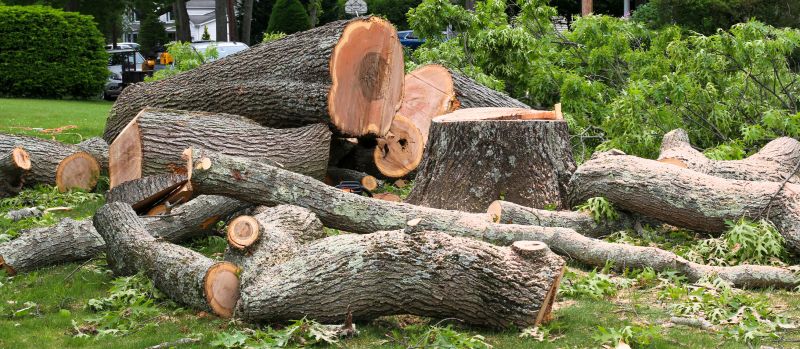
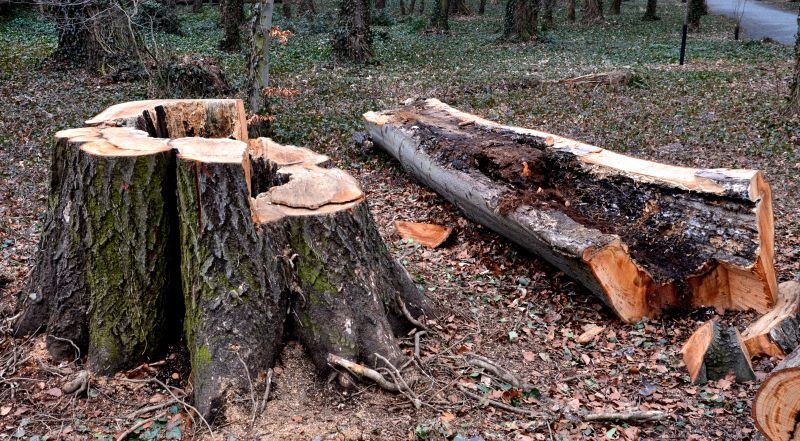
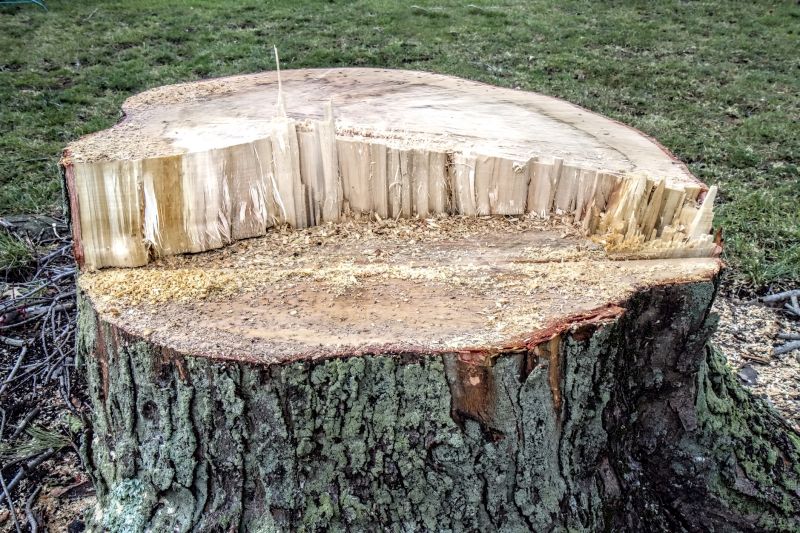
Dead Tree Removal Questions
What is dead tree removal? Dead tree removal involves safely taking down trees that are no longer living or pose a risk to property or safety.
Why should dead trees be removed? Removing dead trees helps prevent potential damage from falling branches or the entire tree, and maintains the landscape's health.
What types of trees are commonly removed? Commonly removed trees include those that are dead, severely damaged, or diseased, regardless of species.
Is dead tree removal necessary for safety? Yes, removing dead trees reduces the risk of falling limbs or trees that could cause injury or property damage.
Request Dead Tree Removal in San Jose, CA
Use the quote form on this page to share the basics of your project and request more information for the type of work you need.