Optimal Timing for Viburnum Removals

Spring is an optimal time for Viburnum removals, as plants are still dormant and easier to handle.
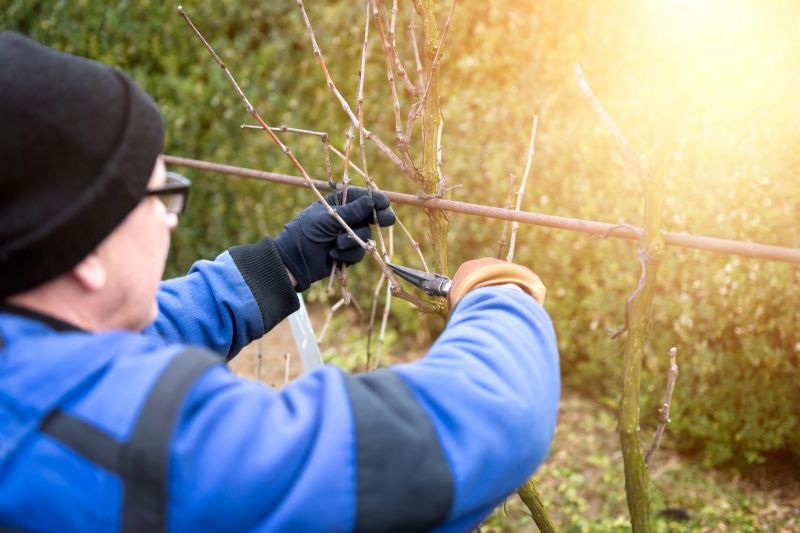
Summer removals are possible but may require extra precautions due to active growth and heat.

Fall offers a window for removal after plants have shed leaves, reducing visible disturbance.

Ways to make Viburnum Removals work in tight or awkward layouts.
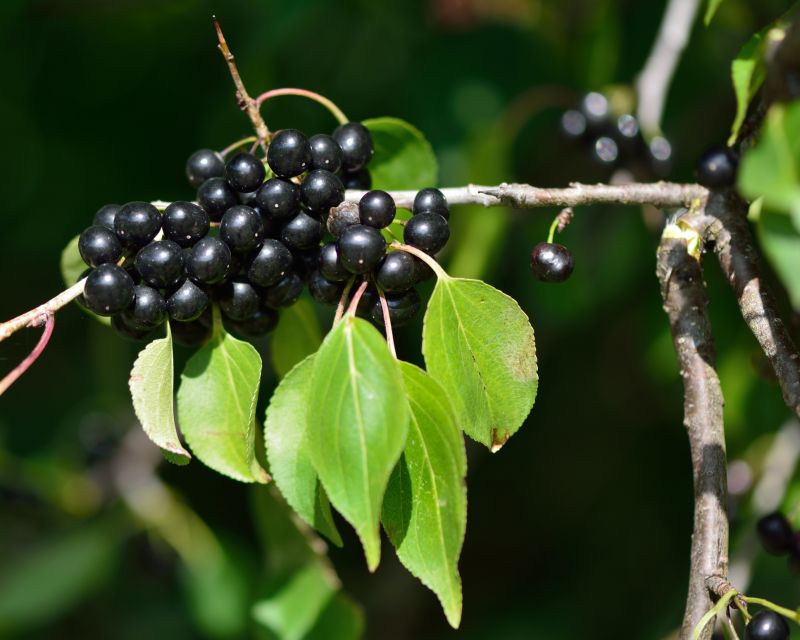
Popular materials for Viburnum Removals and why they hold up over time.
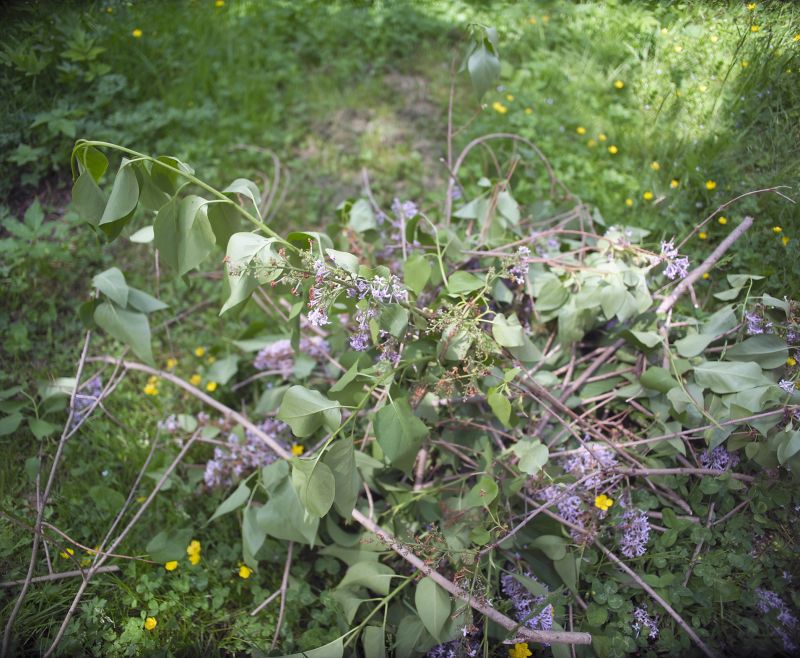
Simple add-ons that improve Viburnum Removals without blowing the budget.
Viburnum removals are most effective when performed during dormancy periods, typically in late fall or early spring. During dormancy, the plant's energy is concentrated within roots, making it easier to extract or prune without causing excessive stress. Proper timing ensures minimal regrowth and helps maintain landscape aesthetics.
Ideal for minimizing plant stress and ensuring complete removal.
Removing during active growth can lead to regrowth and increased maintenance.
Local climate conditions influence the best removal window for Viburnum.
Proper timing supports soil integrity and reduces root damage.
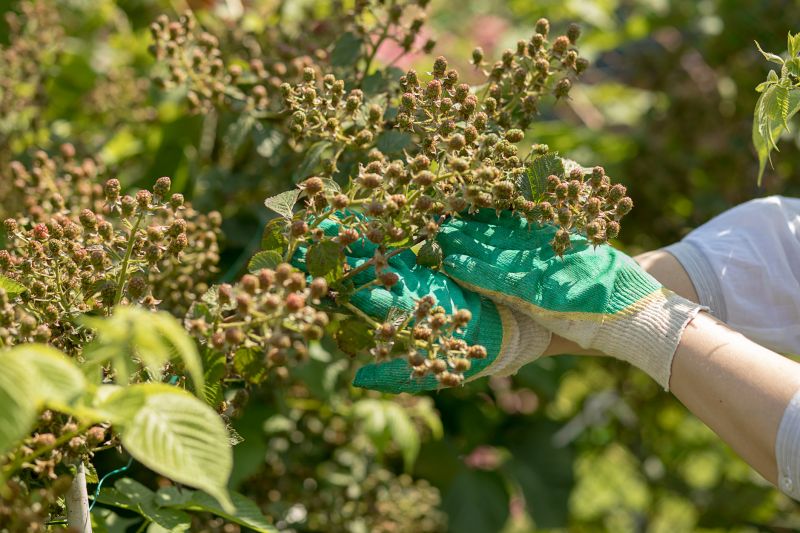
Spring removal minimizes stress during plant dormancy.
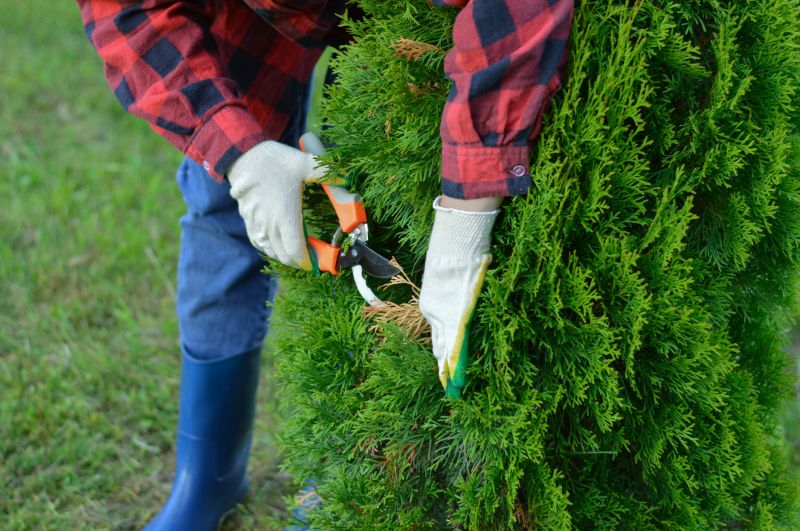
Using sharp, appropriate tools ensures clean cuts and reduces plant damage.

Proper techniques facilitate complete removal and prevent regrowth.
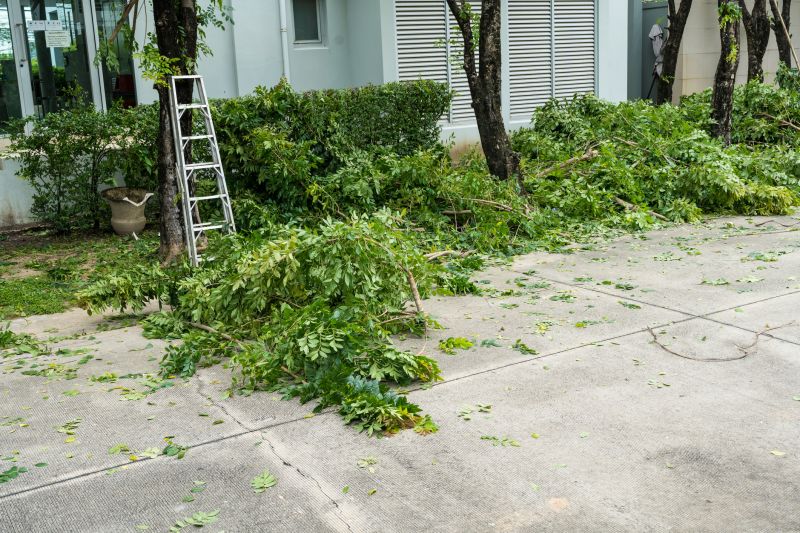
Restoration after removal maintains landscape appearance.

Monitoring plant cycles helps determine optimal removal timing.
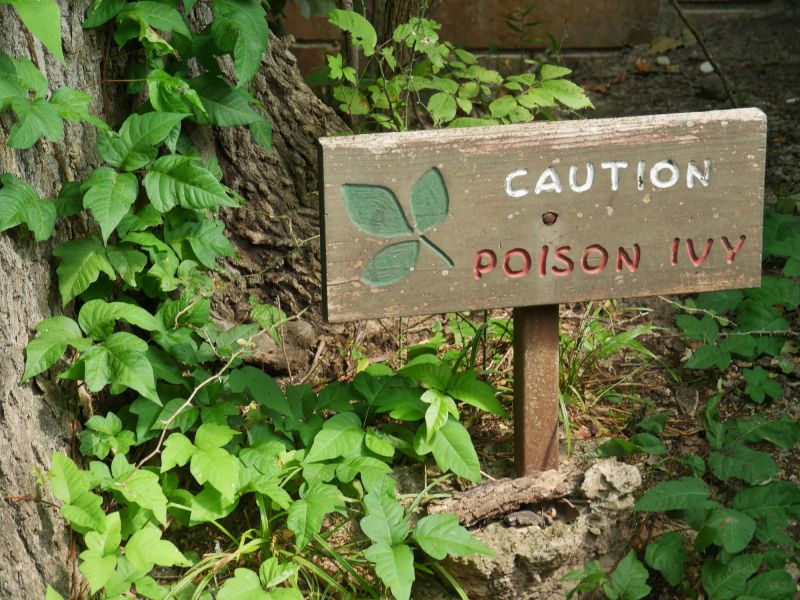
Avoid removal during heavy rain or drought for best results.
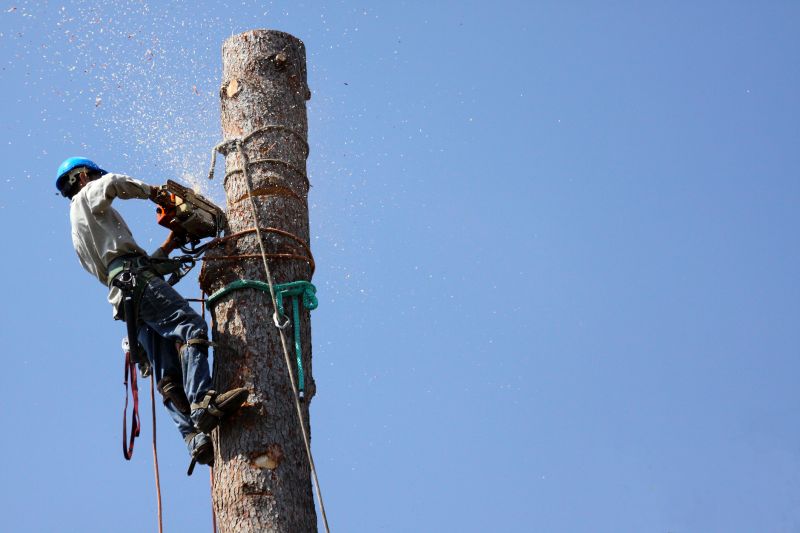
Wear protective gear when handling Viburnum removal tools.

Clear surrounding area to ensure safety and efficiency.
| Timing Factor | Implication |
|---|---|
| Dormancy Period | Best for minimal plant stress and complete removal. |
| Active Growth | Increases risk of regrowth and plant damage. |
| Weather Conditions | Heavy rain or drought can hinder removal efforts. |
| Soil Moisture | Too wet or dry soil affects root extraction. |
| Local Climate | Temperature fluctuations dictate optimal timing. |
| Plant Maturity | Older plants may require different timing. |
| Landscape Goals | Aesthetic or functional objectives influence timing. |
| Pest and Disease Risk | Proper timing reduces infestation chances. |
Choosing the appropriate time for Viburnum removals can significantly impact the success of the process. Proper timing minimizes plant stress, reduces regrowth, and ensures the surrounding landscape remains healthy. Consulting local climate patterns and plant cycles can help determine the most suitable window for removal activities.
Individuals interested in Viburnum removal services are encouraged to contact for further information. Filling out the contact form provides a convenient way to request assistance and schedule a consultation.